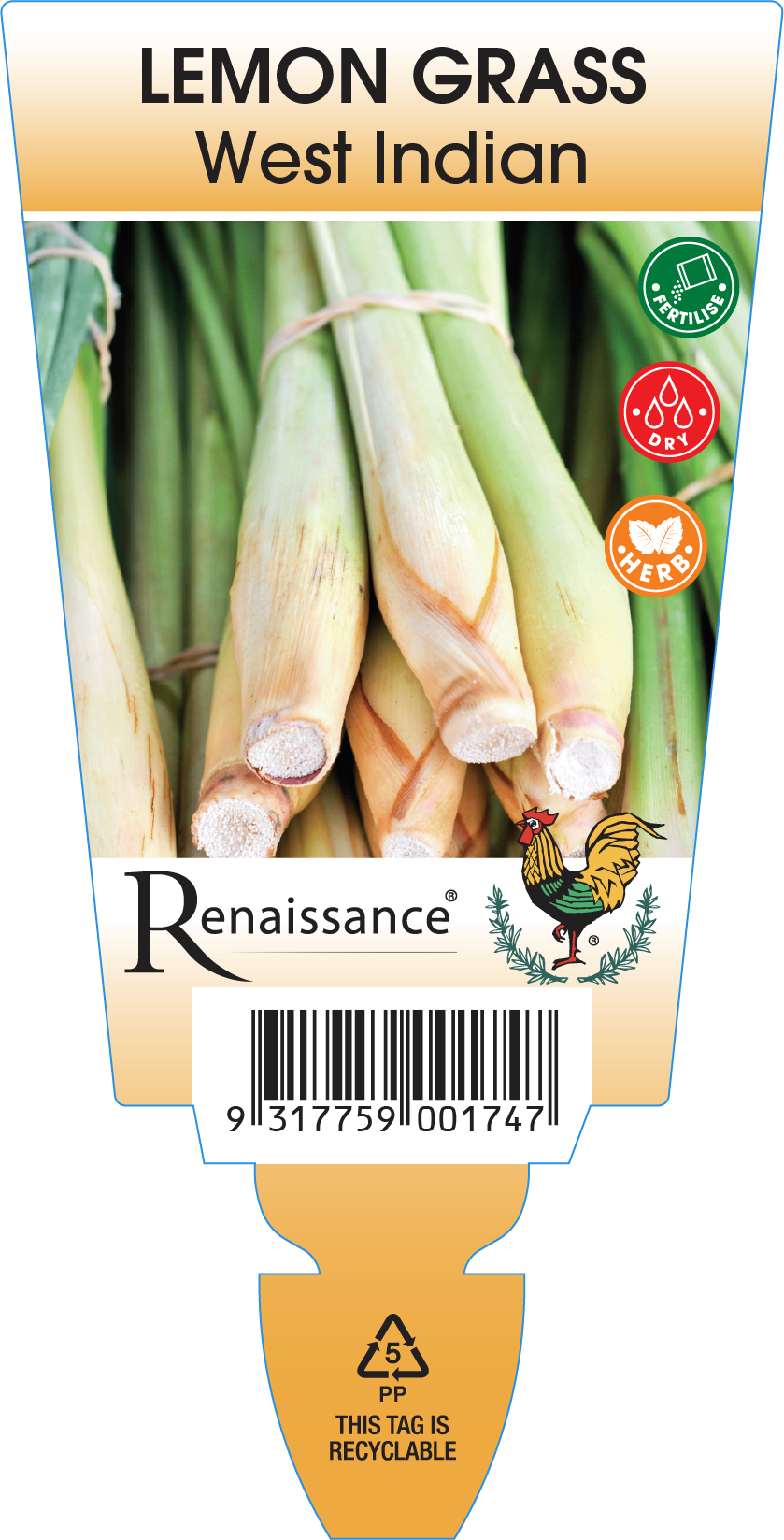
Description
( Cymbopogon citratus)
This is a very pungent herb and is normally used in small amounts. The entire stalk of the grass can be used. The grass blade can be sliced very fine and added to soups. The bulb can be bruised and minced for use in a variety of recipes. The light lemon flavor of this grass blends well with garlic, chilies, and cilantro. The herb is frequently used in curries as well as in seafood soups. It is also used to make tea.
Growing Tips
Enjoys reasonably moist conditions. Lemon Grass needs generous fertilizing.
Use
Lemon grass features in Indonesian, Malaysian, Sri Lankan and Indian cooking and is widely used in savory dishes and meat, poultry, seafood and vegetable curries. It harmonizes well with coconut milk, especially with chicken or seafood, and there are countless Thai and Sri Lankan recipes exploiting this combination. The stems are also used in teas or flavouring marinades.Medicinally, lemongrass is astringent and antifungal so it is good for treating and preventing colds, flu and fever. As with all culinary herbs, lemongrass is digestive aiding in relieving cramping, gas and diarrhea.Externally, lemongrass is good for your skin and as it is antifungal and can be used for ringworm. Lemongrass is rich in minerals and beta carotene, and vitamin D.Note that lemongrass is extremely fibrous and a little “stringy” (more like threads, actually). For this reason, be sure to cook your Thai dish thoroughly. If you are making a soup, for example, boil the lemongrass for at least 5-10 minutes in the broth in order for it to soften adequately.
Herb Attributes
| Harvest | To use fresh lemongrass in your cooking, always cut off the lower bulb and remove tough, outer leaves. The main stalk (the yellow section) is what is used in Thai cooking, although I always reserve the upper green “stem” and add this to my soups and curries for extra flavor. |
|---|---|
| Position | Full to Part Sun |
| Height | 1.5m |
| Width | 75cm |
| Lifespan | Perennial. Depending on the area you live in the plant will go dormant in the winter. In harsh climates the plant will need to be potted and wintered indoors. |